
About
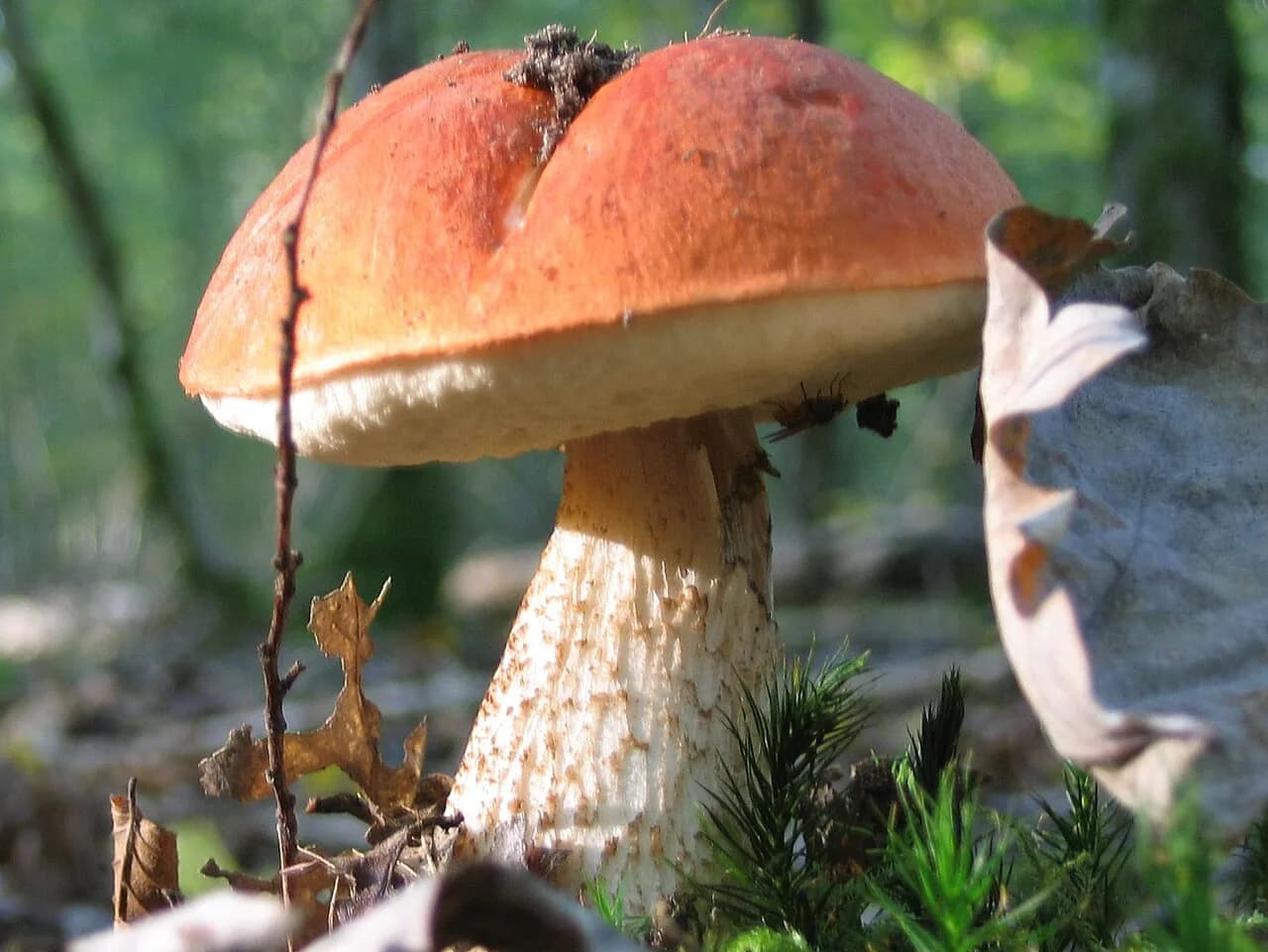
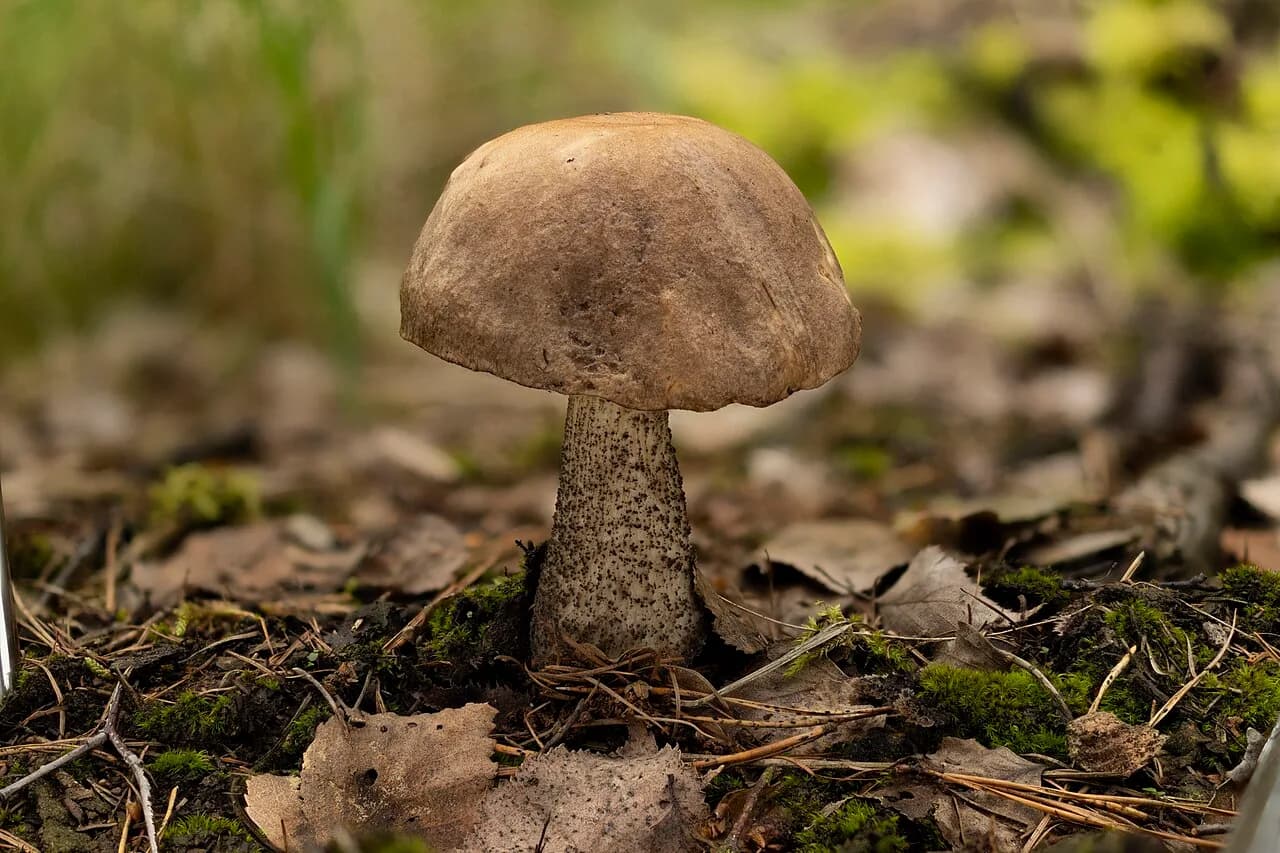
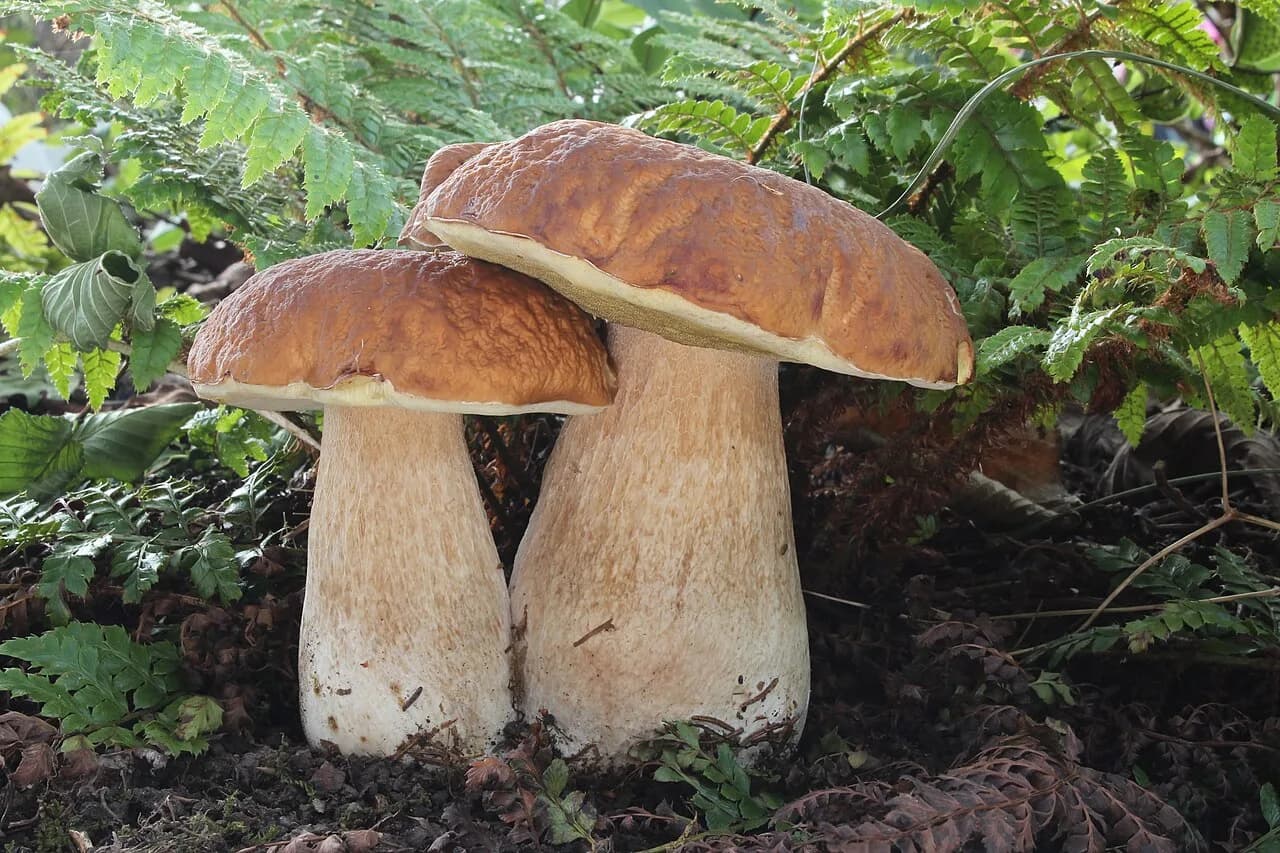
Porcini is a forest mushroom with a fleshy brown cap. It is gathered in coniferous and mixed woods in summer and autumn.
Fresh harvest season
An orientation window for local open-field harvest in the regions already documented in the atlas — not retail, import, or storage availability.
Atlas regions summary: June 21 – October 15
Regions with data: Moscow OblastLeningrad OblastRepublic of Karelia
By region
| Region | Season | Peak | Confidence |
|---|---|---|---|
| Moscow Oblast | June 21 – October 10 | — | Approximate |
| Leningrad Oblast | June 21 – October 15 | — | Approximate |
| Republic of Karelia | July 21 – September 30 | — | Approximate |
In the kitchen
Porcini are fried and stewed and added to soups and sauces. The dense flesh holds its shape well when pan-fried. The mushrooms are also dried.
Seasonality by region
Republic of Karelia(RU-KR)
Season: July – September; Beginning; Active; Ending BeginningActiveEnding
- Season
- July 21 – September 30
- Confidence
- Approximate
Evidence
Porcini. Shubin 1986 (Forest Institute of the Karelian Branch of the USSR Academy of Sciences): main crop August–September; main decades from the 3rd of July (young blueberry pine, herb-rich birch) through the 3rd of September (mature pine). Start 21 July is the first main-yield decade, not sparse June. End 30 September. Rare October tails and Moscow handbooks are omitted. No explicit peak: available sources do not justify a narrower window without false precision.
Sources
Porcini: ecology and fruiting (Shubin, 1986, fruiting-dates chapter)
Shubin V.I. — Forest Institute of the Karelian Branch of the USSR Academy of Sciences, Petrozavodsk
Porcini monograph. Plots from 1959 (Kivach, then districts of the republic and Murmansk Oblast). Fruiting June–October; June usually short and not abundant; main crop August–September. Habitat decades: young blueberry pine 3rd July–3rd August (max 2nd August); mature pine 1st August–3rd September; herb-rich birch 3rd July–1st September. Notes are Karelian porcini only; Moscow Smirnyakov/Gorlenko and other catalog species are not from this book.
Leningrad Oblast(RU-LEN)
Season: June – October; Beginning; Active; Ending BeginningActiveEnding
- Season
- June 21 – October 15
- Confidence
- Approximate
Evidence
Porcini. 2015: Boletus edulis and B. pinophilus both June–October. Start 21 June (not 1 June); end 15 October. Shubin 1986 Karelia and Moscow are not copied. Izhora August–September occurrence months are too narrow and are not used as the window. No explicit peak: available sources do not justify a narrower window without false precision.
Sources
Macromycetes of Nizhnesvirsky Reserve (Stolyarskaya et al., 2015)
Zmitrovich I.V., Stolyarskaya M.V. et al.; ed. Stolyarskaya M.V. — St Petersburg, ISBN 978-5-4386-0925-4
Annotated list of 806 species, north-east Leningrad Oblast (Lodeynopolsky District, middle taiga), not the whole subject and not the Karelian Isthmus. Chanterelle June–October, very frequent; porcini and pine porcini June–October; birch bolete June–September, very frequent; aspen bolete July–September; northern honey fungus (Armillaria borealis) August–September, layer usually short; saffron milk cap August–October, rather rare (1993 plot layer 2–15 October); true milk cap July–September. Morel is rare; 28 June 1993 mass on a burn is not a typical oblast harvest. Shubin’s Karelian calendar and Moscow handbooks are not copied.
Moscow Oblast(RU-MOS)
Season: June – October; Beginning; Active; Ending BeginningActiveEnding
- Season
- June 21 – October 10
- Confidence
- Approximate
Evidence
Smirnyakov 1992: first bodies in the 3rd decade of June, abundant mid-August to early September, mass through the 1st decade of October. Gorlenko 1986: June–October. End omits late-October “warm autumn only”. This is an envelope of typical layers, not continuous picking. No explicit peak: available sources do not justify a narrower day window without false precision. Leningrad and Voronezh are not copied.
Sources
Mushroom-picker calendar for the central oblasts of European Russia (Smirnyakov, Koshcheev, 1992)
Smirnyakov Yu.I., Koshcheev A.K., Koshcheev A.A. — Sputnik gribnika
Appendix: decade calendar (May–October). Legend: 0 first fruiting bodies, “-” mass growth, х abundant fruiting, = warm autumn only. Does not name Moscow Oblast separately; “central oblasts” is the belt that includes it. A handbook, not a multi-year plot study.
Gorlenko M.V., Garibova L.V., Sidorova I.I. — Vsyo o gribakh
Monthly presence table (April–October) for the middle belt. Chanterelle VII–IX; porcini VI–X; birch bolete VI–IX; aspen bolete VI–X; autumn honey fungus IX–X (summer honey fungus is a separate VI–X row). No intra-month dates and no named oblast.